
CompTIA 220-1001日本語 : CompTIA A+ Certification Exam: Core 1 (220-1001日本語版)

- Exam Code: 220-1001日本語
- Exam Name: CompTIA A+ Certification Exam: Core 1 (220-1001日本語版)
- Updated: Jun 16, 2026
- Q & A: 752 Questions and Answers
About CompTIA 220-1001日本語 Exam
CompTIA 220-1001 Exam Syllabus Topics:
| Topic | Details |
|---|---|
Mobile Devices - 14% | |
| Given a scenario, install and configure laptop hardware and components. | 1. Hardware/device replacement
|
| Given a scenario, install components within the display of a laptop. | 1. Types
2. WiFi antenna connector/placement |
| Given a scenario, use appropriate laptop features. | 1. Special function keys
3. Port replicator 4. Physical laptop lock and cable lock 5. Rotating/removable screens |
| Compare and contrast characteristics of various types of other mobile devices. | 1. Tablets 2. Smartphones 3. Wearable technology devices
4. E-readers |
| Given a scenario, connect and configure accessories and ports of other mobile devices. | 1. Connection types
2. Accessories
|
| Given a scenario, configure basic mobile device network connectivity and application support. | 1. Wireless/cellular data network (enable/disable)
5. PRI updates/PRL updates/ baseband updates |
| Given a scenario, use methods to perform mobile device synchronization. | 1. Synchronization methods
4. Software requirements to install the application on the PC 5. Connection types to enable synchronization |
Networking - 20% | |
| Compare and contrast TCP and UDP ports, protocols, and their purposes. | 1. Ports and protocols
2. TCP vs. UDP |
| Compare and contrast common networking hardware devices. | 1. Routers 2. Switches
3. Access points
13. Ethernet over Power |
| Given a scenario, install and configure a basic wired/wireless SOHO network. | 1. Router/switch functionality 2. Access point settings 3. IP addressing 4. NIC configuration
5. End-user device configuration
8. Firewall settings
9. QoS
|
| Compare and contrast wireless networking protocols. | 1. 802.11a 2. 802.11b 3. 802.11g 4. 802.11n 5. 802.11ac 6. Frequencies
7. Channels
9. NFC 10. RFID 11. Zigbee 12. Z-Wave 13. 3G 14. 4G 15. 5G 16. LTE |
| Summarize the properties and purposes of services provided by networked hosts. | 1. Server roles
|
| Explain common network configuration concepts. | 1. IP addressing
3. DHCP
5. Subnet mask 6. Gateway 7. VPN 8. VLAN 9. NAT |
| Compare and contrast Internet connection types, network types, and their features. | 1. Internet connection types
2. Network types
|
| Given a scenario, use appropriate networking tools. | 1. Crimper 2. Cable stripper 3. Multimeter 4. Tone generator and probe 5. Cable tester 6. Loopback plug 7. Punchdown tool 8. WiFi analyzer |
Hardware - 27% | |
| Explain basic cable types, features, and their purposes. | 1. Network cables
2. Video cables
|
| Identify common connector types. | 1. RJ-11 2. RJ-45 3. RS-232 4. BNC 5. RG-59 6. RG-6 7. USB 8. Micro-USB 9. Mini-USB 10. USB-C 11. DB-9 12. Lightning 13. SCSI 14. eSATA 15. Molex |
| Given a scenario, install RAM types. | 1. RAM types
2. Single channel |
| Given a scenario, select, install and configure storage devices. | 1. Optical drives
3. Magnetic hard drives
5. Flash
6. Configurations
|
| Given a scenario, install and configure motherboards, CPUs, and add-on cards. | 1. Motherboard form factor
2. Motherboard connectors types
3. BIOS/UEFI settings
4. CMOS battery
7. Cooling mechanism
|
| Explain the purposes and uses of various peripheral types. | 1. Printer 2. ADF/flatbed scanner 3. Barcode scanner/QR scanner 4. Monitors 5. VR headset 6. Optical drive types 7. Mouse 8. Keyboard 9. Touchpad 10. Signature pad 11. Game controllers 12. Camera/webcam 13. Microphone 14. Speakers 15. Headset 16. Projector
17. External storage drives |
| Summarize power supply types and features. | 1. Input 115V vs. 220V 2. Output 5V vs. 12V 3. 24-pin motherboard adapter 4. Wattage rating 5. Number of devices/types of devices to be powered |
| Given a scenario, select and configure appropriate components for a custom PC configuration to meet customer specifications or needs. | 1. Graphic/CAD/CAM design workstation
2. Audio/video editing workstation
3. Virtualization workstation
4. Gaming PC
7. Thin client
|
| Given a scenario, install and configure common devices. | 1. Desktop
|
| Given a scenario, configure SOHO multifunction devices/printers and settings. | 1. Use appropriate drivers for a given operating system
2. Device sharing
3. Public/shared devices
|
| Given a scenario, install and maintain various print technologies. | 1. Laser
6. 3D printers
|
Virtualization and Cloud Computing - 12% | |
| Compare and contrast cloud computing concepts. | 1. Common cloud models
2. Shared resources
3. Rapid elasticity
10. Virtual application streaming/cloud-based applications
11. Virtual desktop
|
| Given a scenario, set up and configure client-side virtualization. | 1. Purpose of virtual machines 2. Resource requirements 3. Emulator requirements 4. Security requirements 5. Network requirements 6. Hypervisor |
Hardware and Network Troubleshooting - 27% | |
| Given a scenario, use the best practice methodology to resolve problems. | - Always consider corporate policies, procedures, and impacts before implementing changes 1. Identify the problem
2. Establish a theory of probable cause (question the obvious)
3. Test the theory to determine cause
4. Establish a plan of action to resolve the problem and implement the solution |
| Given a scenario, troubleshoot problems related to motherboards, RAM, CPUs, and power. | 1. Common symptoms
|
| Given a scenario, troubleshoot hard drives and RAID arrays. | 1. Common symptoms
|
| Given a scenario, troubleshoot video, projector, and display issues. | 1. Common symptoms
|
| Given a scenario, troubleshoot common mobile device issues while adhering to the appropriate procedures. | 1. Common symptoms
2. Disassembling processes for proper reassembly
|
| Given a scenario, troubleshoot printers. | 1. Common symptoms
|
| Given a scenario, troubleshoot common wired and wireless network problems. | 1. Common symptoms
|
Safe investment-money back guarantee in case of failure
We commit that you will enjoy one year free update for A+ 220-1001日本語 exam dumps torrent after you purchase. That is to say you will grasp the latest information without spending extra money. If there is any update, our system will send an email attached with updated 220-1001日本語 exam training torrent to you automatically. In the unlikely even if you fail the 220-1001日本語 exam, we promise to give you full refund. The refund policy is very easy to carry out, you just need to send us an email attached with your scanned failure certification, then we will give you refund after confirming. We will refund your money to the same card that is used to make payment. Besides, if you have any questions, our 24/7 Customer Support are available for you.
Choose our 220-1001日本語 CompTIA A+ Certification Exam: Core 1 (220-1001日本語版) valid practice torrent, we guarantee you 100% passing.
Instant Download: Upon successful payment, Our systems will automatically send the product you have purchased to your mailbox by email. (If not received within 12 hours, please contact us. Note: don't forget to check your spam.)
The CompTIA 220-1001 (Core 1) exam is associated with the A+ certification. This test measures the entry-level skills of the individuals in assembling components according to the customers’ requirements, as well as installing, maintaining, and configuring PCs, software, and mobile devices for the end-users. The candidates also need to demonstrate their understanding of the basics of virtualization, scripting, deployment, and desktop imaging.
When it comes to 220-1001日本語 certification, all of us are very excited and have a lot words. Someone complains the difficulty of the actual test, someone says he has get stuck in one questions, even some people are confused about all of the 220-1001日本語 exam test. Actually, gaining the 220-1001日本語 certification can bring about considerable benefits. For example, having the 220-1001日本語 certification on your resume will give you additional credibility with employers and consulting clients, and a high salary & good personal reputation will come along with that. From the above, we can see how important the 220-1001日本語 certification is. Our life is deeply affected by the IT technology and 220-1001日本語 certification.
Now, we will recommend the most valid & best-related 220-1001日本語 exam study torrent for your preparation. No matter how much you are qualified or experienced, we are just here to assist you pass the 220-1001日本語 test with 100% results.

The CompTIA 220-1001 exam focuses on a range of topics and is designed to evaluate the competence of the candidates in mobile devices, hardware, networking technologies, Cloud computing, network troubleshooting, and virtualization. The highlights of these objectives are detailed below:
- Networking: 20%
This section will measure one’s understanding of UDP and TCP protocols, ports, and purposes; basic networking hardware devices; installing and configuring basic wireless and wired SOHO networks; wireless networking protocols; properties of services offered by networked hosts; concepts of network configuration; Internet network types, connection types, and features; using the relevant networking tools.
- Mobile Devices: 14%
The learners should have the skills in installing and configuring laptop components and hardware; installing components in laptop display; using the relevant laptop features; connecting and configuring ports and accessories of mobile devices; understanding different characteristics of mobile devices; using methods to carry out mobile device synchronization; configuring fundamental mobile device network connectivity with the application support.
- Hardware: 27%
The test takers will be evaluated based on their knowledge of basic cable features, types, and purposes; common types of the connector; installing RAM types; installing and configuring storage devices; installing and configuring CPUs, add-on cards, and motherboards; different peripheral types; types and features of power supply; installing and configuring basic devices; installing and maintaining different print technologies; configuring SOHO multifunction printers/devices and settings; selecting and configuring relevant components for custom PC configurations to fulfill the customer needs or specifications.
- Hardware & Network Troubleshooting: 27%
This topic measures the ability of the applicants to utilize the best methodologies to solve problems; troubleshoot various problems associated with motherboards, CPUs, power, and RAM; troubleshoot RAID arrays and hard drives; troubleshoot projector, display, and video issues; troubleshoot basic mobile device problems; troubleshoot printers; troubleshoot basic wireless and wired network issues. It will also evaluate their in troubleshooting basic mobile device problems while following appropriate procedures.
- Virtualization & Cloud Computing: 12%
This domain requires your skills in Cloud computing concepts, covering common Cloud models, shard resources, rapid elastic, on-demand, measured service, resource pooling, off-site email applications, metered, Cloud file storage services, virtual desktop, virtual application streaming, and Cloud-based applications. It also measures the skills of the students in installing and configuring client-side virtualization, covering an understanding of VMs purposes, resource requirements, security requirements, emulator requirements, network requirements, and hypervisor.
Reference: https://certification.comptia.org/training/self-study/books/a-220-1001-220-1002-study-guide
Valid practice torrent for better study
First, we have built a strong and professional team devoting to the research of 220-1001日本語 valid practice torrent. The experts of the team are all with rich hands-on IT experience and ever work for the international IT corporations. The authority and validity of CompTIA 220-1001日本語 training torrent are the guarantee for all the IT candidates. Maybe, you ever heard that some vendors offer the cheap dumps with lots of useless questions & answers, you have to study really hard with extra number of worthless questions and even they can't promise you success in the exam. Here, 220-1001日本語 valid exam torrent will provide you with the best suitable dumps for you to study. Each questions & answers from A+ 220-1001日本語 exam study torrent are all refined and summarized from a large number of technical knowledge, chosen after analysis of lots of datum. We remove the old and useless questions which are no longer needed for the actual test, and add the latest question into the CompTIA 220-1001日本語 exam dumps torrent at the same time. So the high-quality and best validity of 220-1001日本語 training torrent can definitely contribute to your success.
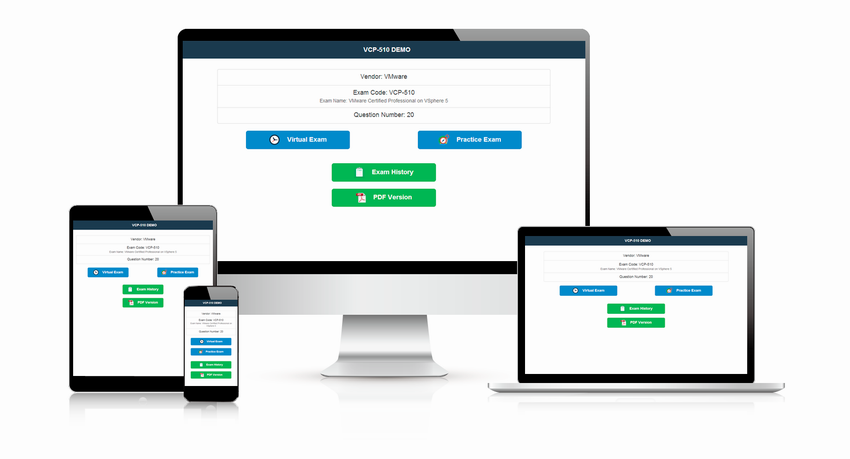
What's more, our specially designed products like 220-1001日本語 free demo will provide the customer with the overview about our 220-1001日本語 dump torrent. We exclusively offer instant download 220-1001日本語 free sample questions & answers which can give right guidance for the candidates.
Related Exam
- JK0-701 pdf dumps torrent
- 220-902-Deutsch pdf dumps torrent
- 220-1101-Deutsch pdf dumps torrent
- 220-1102-Deutsch pdf dumps torrent
- JK0-802 pdf dumps torrent
- JK0-801 pdf dumps torrent
- 220-1202 pdf dumps torrent
- 220-902-JPN pdf dumps torrent
- 220-801 pdf dumps torrent
- 220-1001-Deutsch pdf dumps torrent
- 220-1001J pdf dumps torrent
Related Certifications
Over 79667+ Satisfied Customers
 0 Customer ReviewsCustomers Feedback (* Some similar or old comments have been hidden.)
Quality and Value
Free4Torrent Practice Exams are written to the highest standards of technical accuracy, using only certified subject matter experts and published authors for development - no all study materials.
Tested and Approved
We are committed to the process of vendor and third party approvals. We believe professionals and executives alike deserve the confidence of quality coverage these authorizations provide.
Easy to Pass
If you prepare for the exams using our Free4Torrent testing engine, It is easy to succeed for all certifications in the first attempt. You don't have to deal with all dumps or any free torrent / rapidshare all stuff.
Try Before Buy
Free4Torrent offers free demo of each product. You can check out the interface, question quality and usability of our practice exams before you decide to buy.












Here you can get the most valid and free IT exam torrent for your upcoming exam test. Our promise is to help you pass the exam successfully, get a higher salary and build a better life.